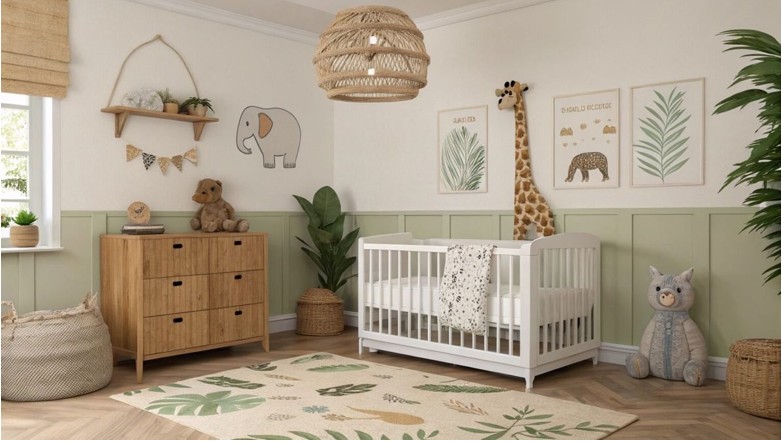
Designing a nursery is more than arranging a room. It’s about intentionally blending comfort and usefulness. Each design decision, from gentle colours to soft bedding, helps create a space where both baby and parent feel at ease, making the nursery practical and calming.
Still, this process isn’t just about looks. It’s about creating a place where a baby can rest and grow while parents move through daily routines with ease. That balance of comfort and function helps the room feel warm, welcoming, and genuinely useful.
Design plays a big role in how well a nursery works. Simple choices such as colour, layout, and furniture placement can shape the room’s mood and make everyday care easier. When done well, the space supports both rest and activity without adding stress.
Furniture That Supports Daily Routines
Start with furniture that supports daily care routines. Choose items that serve multiple purposes, such as a cot with drawers or a changing table with built-in storage. These options free up floor space and help the room feel more open.
Seating is important too, especially for long nights. Feeding, rocking, and soothing are easier with a supportive chair that feels comfortable and stable. A chair with good back support can make a noticeable difference during late-night wake-ups.
Setting up a baby nursery means thinking about how the space will be used, not just how it looks. Avoid overcrowding the room with large furniture that makes movement difficult. Stick with pieces that suit the room size and support your routine.
Small additions, such as corner shelves or a trolley for baby care items, can improve functionality. They keep essentials within reach without cluttering surfaces. In a room where every inch counts, small choices often make the biggest difference.
Choosing the Right Colours
Instead of choosing bold patterns first, consider the mood you want the room to have. Soft, muted tones like pale blue, cream, or sage can make the nursery feel calm and restful. These colours may also help babies settle by reducing overstimulation.
Neutral colours work well with other elements in the room. Bedding, curtains, and wall art can stand out without clashing, which makes future updates easier as the child grows and their needs change.
To add personality, use small colour accents. Colourful toys, simple prints, or a fun rug add warmth without making the room feel busy. Simple base colours help the room feel calm and uncluttered.
Planning the Room Layout
To plan the layout well, think about how you’ll use the space each day. Make sure there’s enough room to walk between the cot, changing station, and chair. This can ease stress when carrying the baby, reaching for supplies, or moving around in the dark.
Place the changing table near storage for nappies, wipes, and clothes. Keeping these close makes changes quicker and more convenient. A laundry basket nearby can also save time when clothes need to be swapped or washed.
Avoid placing unnecessary items on the floor. Open space makes the room feel larger and safer, especially during nighttime care. A layout that supports simple movement can make daily tasks feel less rushed.
If possible, place the cot away from direct sunlight or draughts. Positioning the sleep area in a quiet, dim corner can help improve rest. Consider how noise, light, and temperature change throughout the day when deciding where each item should go.
Keeping Storage Simple and Easy
Make storage work harder without making the room feel packed. Use baskets, drawers, or low shelves to hold nappies, lotions, clothes, and toys. It’s best to store items near where they’ll be used so you don’t have to walk across the room during changes or feeds.
Keep the system easy to manage. Instead of complicated labels or deep drawers, choose open storage where items are visible and within reach. Bins that slide under furniture or stack neatly can free up space and still look tidy.
Over-the-door organisers, hooks, and wall-mounted shelves are great for keeping clutter off the floor. Grouping items by category, such as feeding, changing, and play, can also save time. Less mess means more room for quiet moments.
Having a regular spot for each item also helps others in the home find what they need quickly. When everything is stored in a simple, logical way, the nursery becomes easier to maintain day after day.
Lighting and Sound Considerations
Choose lighting that supports both sleep and nighttime care. Instead of bright overhead lighting, use a soft lamp or nightlight in the evenings. Adjustable lights help you see clearly without waking the baby fully. Soft lighting also sets a relaxed mood for feeds and changes, which matters when you’re tired and trying to keep the room calm.
Adding blackout curtains can block early morning light, which may help babies sleep longer. If outside noise is a concern, consider using a white noise machine or a small fan to cover background sounds. A quieter space often leads to better sleep for both baby and parents.
Soft furnishings can also reduce noise within the room. A thick rug or soft furnishings can absorb sound and make the space feel cosier. These small details support smoother routines and a more peaceful environment.
Wrap Up
The goal is to create a nursery that feels cosy and practical. With simple, thoughtful design choices, daily care and rest routines become easier for everyone. A well-designed nursery supports families and helps keep everyday life running smoothly.