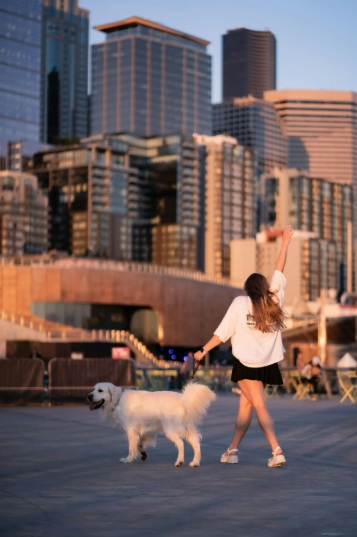
If you’ve ever dreamt of having a puppy at home, you’re not alone in your joy for these little creatures. Bringing a puppy into the home is a highly rewarding decision for any pet parent. However, if you live in Melbourne, there are some important requirements to note before you bring a puppy home.
From municipal council rules to rental laws and the true cost of puppy ownership, here’s everything first-time dog owners in Melbourne need to know.
- The Legal Basics: Registration, Microchipping and the Domestic Animals Act
In Victoria, dog registration with your local council is a legal requirement. All dogs over three months of age must be registered with their local council under the Domestic Animals Act 1994. This registration is to occur annually between 10 April and 9 April of the following year; dogs not registered by this time will be subject to fines.
The City of Melbourne has waived registration fees for the 2026-27 registration period. However, dog owners will need to complete the registration process to avoid incurring a late registration fee. Registration fees differ between local councils so it is recommended to check your local council’s website for more information (whether that local council is Yarra, Stonnington, Port Phillip, Moonee Valley or another).
Another requirement for dog owners is the microchipping of their pets. While registration with the local council is a requirement, dogs are not considered registered until the local council receives the documentation of the dog’s microchip. Both requirements must be met by dog owners.
Key checklist:
- Microchip your puppy (usually done by the breeder before sale, or by your vet)
- Register with your local council within 28 days of getting your dog
- Renew every year by 10 April
- Keep your contact details up to date with both the microchip database and your council
- Renting With a Dog in Melbourne: Know Your Rights
Another of the biggest concerns for people who are considering buying a dog for Melbourne is the rental situation for dogs. The bad news is that people often encounter surprises when they rent a place for a dog. However, the good news is that Victoria’s tenancy laws have changed significantly in favour of pet owners in recent years.
Any rental agreement signed after March 2020 cannot have a clause that states that pets are not permitted in the rental. Furthermore, the landlord is required to apply to the Victorian Civil and Administrative Tribunal (VCAT) to deny a tenant’s request for a pet within 14 days of the request being made. If the rental agreement was made before March 2020, then the landlord has the discretion to refuse a rental request based on the tenant’s proposed pet. Assistance animals are exempt from this law.
Dog owners are still required to ensure that their dog does not cause any damage to the rental property or nuisance to their neighbours.
If you are renting and planning on getting a dog, the best thing to do is to notify your property manager of your plans before getting a puppy.
- What Will It Actually Cost? A Realistic Budget
This is the part many first-time owners underestimate. Owning a dog in Australia costs between $2,500 and $4,000 per year on average, according to the Animal Medicines Australia 2025 Pets in Australia survey — and the first year is typically the most expensive, with upfront costs potentially reaching $5,000 or more depending on the breed.
Here’s a rough breakdown of what to expect in Melbourne:
One-off startup costs:
- Puppy purchase price: $500–$5,000+ (varies widely by breed and breeder)
- Microchipping (if not already done): ~$70
- Initial vet check, vaccinations and desexing: $300–$700
- Crate, bedding, bowls, collar, lead, toys: $300–$600
- Puppy school: from $150
Ongoing annual costs:
- Quality food: $800–$2,000+ (depending on breed size)
- Annual vet check-up and vaccination boosters: ~$600
- Flea, tick and worming treatments: $120–$300
- Grooming: $80–$200+ per session (frequency depends on breed)
- Pet insurance for dogs: varies widely; worth comparing policies
- Council registration: varies by council (currently free in City of Melbourne for 2026–27)
Professional grooming costs can mount up for owners of Cavoodles, Poodles, Maltese Shih Tzus, and Bichon Frises who require regular clipping for their coats. For those interested in a low-shedding breed, expect to pay between $80 and $150 for a professional grooming every 6 to 8 weeks.
Pet insurance is something that should be considered by every pet parent. Veterinary bills for illnesses or injuries can quickly reach into the thousands of dollars. Premium costs for pet insurance can differ significantly depending on the breed of pet, the age of the pet, and the level of coverage desired.
- Choosing the Right Breed for Melbourne Life
Melbourne is a dog-friendly city — but that doesn’t mean every dog suits every lifestyle. Before falling in love with a breed online, consider:
Apartment or inner-city living? Compact, adaptable breeds tend to thrive in Melbourne’s dense inner suburbs. Think Cavalier King Charles Spaniels, Pugs, Maltese, Shih Tzus, French Bulldogs, or Miniature Schnauzers. These dogs are generally lower-energy indoors and handle smaller spaces well — though all dogs still need daily exercise and mental stimulation.
Active lifestyle? If you’re a runner, cyclist, or weekend hiker, a higher-energy breed like a Border Collie, Kelpie, Labrador, or Vizsla could be a great match. These dogs need significant daily exercise to stay happy and healthy.
Allergy concerns? Low-shedding breeds like Poodles, Labradoodles, and Cavoodles are popular in Melbourne for this reason — though no dog is truly hypoallergenic. Be aware that these breeds also tend to command higher purchase prices and require more frequent professional grooming.
Families with young children? Golden Retrievers, Labradors, and Beagles are consistently rated among the most family-friendly breeds.
Whatever breed you’re considering, it’s worth spending time researching breed-specific health conditions, exercise requirements, and temperament before committing — and talking to a reputable breeder who can advise honestly about whether the breed suits your home and lifestyle.
- Finding a Reputable Breeder in Melbourne
This step is critical. Unfortunately, puppy mills and backyard breeders do operate in Victoria, and a low-cost puppy that hasn’t been health-screened or properly socialised can result in heartache and significant vet bills down the track.
Green flags when assessing a breeder:
- They are registered with Dogs Victoria or another applicable organisation
- They welcome you to visit the puppy with its mother in a home environment
- They provide health certificates, vaccination records, microchip details, and a vet reference
- They ask you questions about your lifestyle and home to ensure the puppy is a good fit
- They offer ongoing support and a return policy if things don’t work out
Red flags to watch for:
- Multiple breeds always available, with puppies ready immediately
- Reluctance to let you visit before purchase
- No documentation or ability to verify the breeder’s registration
- Pressure to pay a deposit quickly before you’ve seen the puppy
The best place to start your search is with a reputable listings platform where breeders are verified. If you’re looking for dogs for sale in Melbourne, PetsForHomes.com.au connects buyers with responsible breeders and has a wide range of breeds available across the city and surrounding suburbs.
- Melbourne’s Dog-Friendly Landscape
Once your pup is home, Melbourne has a lot to offer both of you.
The city has a solid network of off-leash parks, from the Princes Park Dog Off-Leash Area in Carlton North to Elwood Foreshore, Prahran’s Fawkner Park designated zones, and Westgate Park in Port Melbourne. Dogs must be kept on a lead in most public spaces unless in a clearly designated off-leash area — and council rangers do patrol and enforce these rules.
Melbourne’s love for coffee has also given way to dog-friendly cafés in areas like Fitzroy, Collingwood, Richmond and St Kilda. These cafés welcome dogs in their outdoor seating areas, with some even going a step further to accommodate puppies with water bowls and treats.
Puppy school is highly recommended in the first few months of a puppy’s life. This helps to build their confidence and allows the owner and puppy to form a strong bond. These puppy schools last between four and six weeks and start from around $150.
Ready to Find Your Dog?
Owning a dog in Melbourne is a deeply rewarding experience for dog owners. However, before you embrace dog ownership in Melbourne, ensure that you are well-prepared for the responsibilities of dog ownership by understanding the costs, your rights as a renter, the right breed of dog for your lifestyle, and finding a reputable dog breeder.