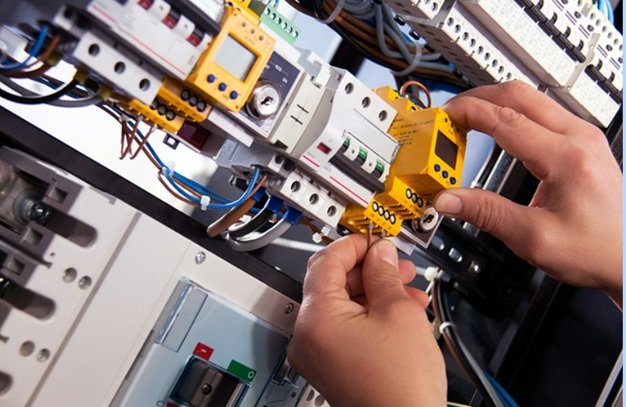
Whether you’re building new or renovating, electrical work is risky: electric shock, arcs, burns, fires and even fatalities. Even small oversights – a live cable, bad labelling, untested equipment – can be deadly.
To protect people and property here are the essential safety guidelines backed by Australian workplace safety authorities.
De-Energise Before Any Work
Never assume a circuit is off. A process is required:
- Identify every live feed, including solar panels or back up systems.
- Switch off at the main switchboard and engage circuit breakers.
- Use a lock-out/tag-out system – padlocks, high-visibility tags – to prevent accidental re-energisation.
- Test the circuit with a calibrated voltage tester before touching wires or feed devices.
- Embed these steps into a Safe Work Method Statement (SWMS) for high-risk work.
Following these steps means electrical isolation isn’t optional – it’s guaranteed.
Fit and Test Safety Switches (RCDs) Everywhere
Residual Current Devices (safety switches) work in under 30 milliseconds to prevent serious harm, they’re vital in reducing fatalities. Despite being mandatory in new builds, coverage is incomplete: 40% of homes lack full RCD protection.
Recommendations:
- Test RCDs monthly – press the “Test” button to make sure they trip.
- Make sure every circuit, including lighting and power points, is protected.
- According to Metropolitan Electrical Contractors: “RCDs should be installed on unprotected circuits during renovations. They cut power instantly when detecting slight current imbalances, offering better protection than standard breakers”.
4. Use Battery-Powered Tools in High-Risk Areas
The best way to reduce live-power risks is to eliminate them. For work in enclosed spaces, wet areas or ceiling voids, favour battery-powered tools or lighting over mains-powered equipment. This aligns with the hierarchy of risk control – eliminate hazard at source.
5. Choose Proper PPE and Insulated Tools
The right gear can mean the difference between a near miss and a serious injury:
- Electrical-rated gloves and boots for the voltage involved.
- Insulated tools (screwdrivers, pliers, testers) to reduce arcing risk.
- Arc-flash rated clothing, face shields and hearing protection for all high-voltage tasks.
Remember tools must be properly tagged, regularly inspected and replaced if worn or damaged.
6. Inspect, Test and Tag All Equipment
Leads, plugs and power tools are frequently damaged in construction environments. To manage this:
- Conduct a visual inspection before each use and schedule periodic electrical safety inspections to ensure all systems meet compliance standards.
- Schedule regular testing by licensed electricians.
- Tag equipment with a date and next-test due – this is mandatory for construction and demolition sites under AS/NZS 3012.
Neglecting this routine increases risk.
7. Be Careful in Ceiling and Crawl Spaces
Hidden electrical hazards often lurk above ceilings or behind walls:
- Old or brittle cables may be damaged or exposed during renovation.
- Ceiling voids also present fall hazards and poor working conditions.
- Complete lock-out/tag-out and confirm de-energisation before entering overhead enclosures.
These steps will avoid unexpected live contact or trip-and-fall incidents.
8. Control High-Voltage and Arc-Flash Risks
High-voltage and switchgear work is high-risk:
- Arcs in switchboards can exceed 20,000°C and cause burns or projectiles.
- Only qualified people should handle this equipment.
- Complete electrical isolation and arc-rated PPE are mandatory.
- Follow SWMS, site procedures and risk assessments meticulously.
These tasks require a professional-only approach – no shortcuts.
9. Comply with Relevant Codes and Documentation
Electrical work must comply with current standards and regulations:
- AS/NZS 3000 (Wiring Rules), AS/NZS 3012 (site installations) and AS/NZS 3439 (switchgear) are the compliance baseline.
- SWMS should be written and followed for any high-risk activity.
- All new or modified wiring must be installed or signed off by a licensed electrician.
Documentation is not just paperwork – it’s accountability and traceability.
10. Conduct Regular Training and Safety Reviews
Site safety requires both knowledge and awareness:
- Safety inductions should cover isolation procedures, PPE, RCD testing, tool inspection and hazard awareness.
- Provide refresher sessions or toolbox talks as project phases or risks change.
- Use incident reporting and regular risk-audits to check controls are working.
A well-logged safety culture can prevent complacency – and casualties.
Bringing It All Together
Electrical work in building and renovation is high-risk – but the risks are manageable. A safety-first approach, based on de-energisation procedures, safety switch installation, battery tool usage, proper PPE, tool maintenance, documented risk management and training creates a safe environment for everyone.
By incorporating these practices into every stage – from planning to handover – you protect lives, livelihoods and reputations. Let safety be your foundation.