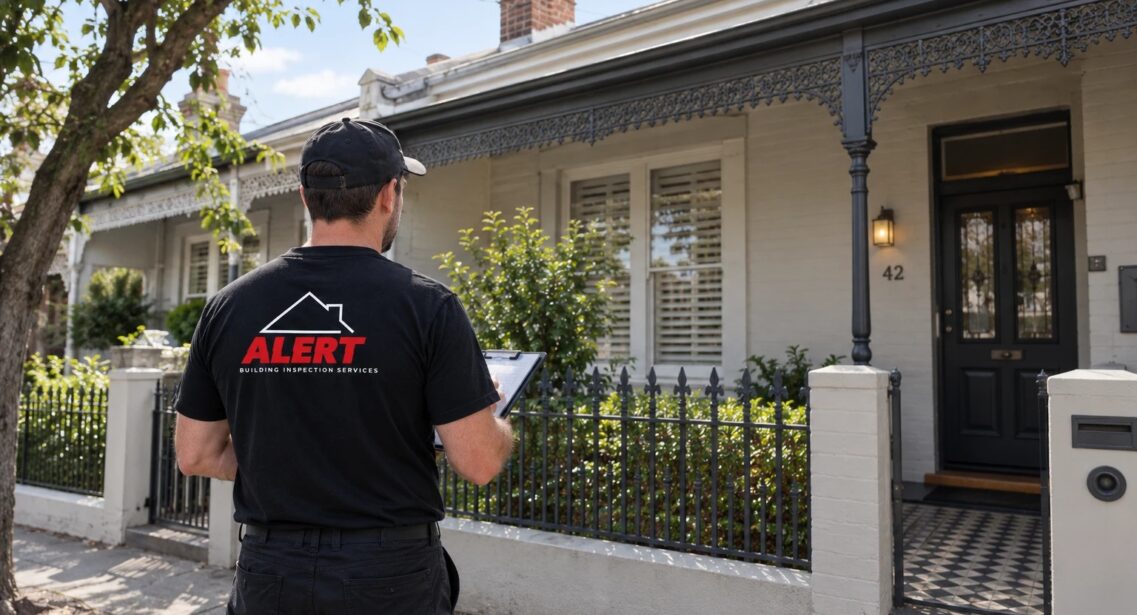
Melbourne’s period homes are a big part of the city’s character. Walk through Carlton, Fitzroy, Brunswick, Albert Park or Williamstown and you’ll find rows of Victorian terraces, Edwardian weatherboards and grand double-fronted villas with ornate verandahs and high ceilings. For many buyers, owning one of these homes is the dream.
The trouble is that a house built more than a century ago has had a long time to develop problems, and many of them sit out of sight. Fresh paint, polished floorboards and a staged interior can hide issues that cost tens of thousands of dollars to fix. That’s why booking building inspections in Melbourne before you commit to a period property is one of the smartest moves a buyer can make.
A good inspector knows where older homes tend to fail and will look well beyond the surface. Before you sign anything, it’s worth getting Alert Building Inspections or a similarly experienced inspector through the property so you know exactly what you’re taking on. Here’s what a thorough inspection of a Melbourne period home should cover.
Rising Damp and Moisture Problems
Rising damp is one of the most common issues in Melbourne’s older brick homes. It happens when groundwater moves up through masonry walls by capillary action, usually because the original damp-proof course has broken down or was never installed properly.
Signs include bubbling or flaking paint low on internal walls, crumbling plaster, white salt deposits on brickwork and a musty smell. An inspector will typically use a moisture meter and look for these visual clues. Left untreated, damp can damage plaster, timber and mortar, and it can also contribute to mould.
Inspectors should also check for other moisture sources, including leaking downpipes, poor drainage around the house and garden beds built up against external walls, which can bridge the damp-proof course.
Stumps, Subfloors and Ventilation
Many Edwardian and Victorian weatherboard homes sit on timber stumps, and those stumps don’t last forever. Rot, termite damage and ground movement can leave floors sagging or uneven. Restumping is a common and often costly job, so it’s important to know upfront whether it’s needed.
Where the subfloor is accessible, a good inspector will get under the house to check the condition of stumps, bearers and joists. They’ll also look at subfloor ventilation. Many older homes had vents blocked over the years by renovations, landscaping or raised paths, which traps moisture and creates ideal conditions for rot and pests.
Cracking and Movement
Parts of Melbourne sit on reactive clay soils that swell when wet and shrink when dry. Over decades, this movement can cause cracking in brick walls, plaster, cornices and around door and window frames.
Not every crack is a concern. Fine hairline cracks are often cosmetic, while wider, stepped or recurring cracks can point to structural movement. An inspector will note the location, size and pattern of cracking and recommend a structural engineer if anything looks serious. Doors that stick or won’t close properly can be another sign of movement worth investigating.
Roofs, Gutters and Parapets
Period homes often feature slate or corrugated iron roofs, and both need careful checking. Slate can crack or slip, while old iron can rust through. Inspectors should also look at flashings, valleys and the roof framing from inside the roof space where access allows.
Box gutters, common on terrace houses, are a known weak point. They sit within the roof line, so when they block or rust, water can end up inside the home. Decorative parapets and chimneys also deserve attention, as cracked render or loose bricks can become a safety hazard as well as a source of leaks.
Wiring, Plumbing and Past Renovations
A standard building inspection is a visual assessment of the building’s condition, so it won’t replace a licensed electrician or plumber. Still, a good inspector will flag obvious concerns such as outdated switchboards, old wiring visible in the roof space, or signs of leaking and corroded pipes.
Period homes have usually been renovated several times, and not always well. Inspectors look for signs of unapproved or poor quality work, such as removed walls without proper support, bathrooms with inadequate waterproofing or extensions that don’t tie in properly with the original structure.
Asbestos is another consideration. It was widely used in Australian building materials until it was banned at the end of 2003, so homes renovated during the mid to late twentieth century may contain it in eaves, wet areas, flooring or fences. An inspector may note suspected materials, but only testing by a qualified professional can confirm it.
Timber Pests
Termites are a real risk in Melbourne, particularly in homes with timber stumps, weatherboards or timber floors. A standard building inspection covers structural condition, while a separate timber pest inspection looks specifically for termites, borers and wood decay. Many inspectors offer both together, and for an older home, booking the combined inspection is usually worth it.
What the Inspection Won’t Cover
Pre-purchase building inspections in Australia are generally carried out in line with Australian Standard AS 4349.1. They’re visual and non-invasive, so inspectors won’t lift floor coverings, cut into walls or move heavy furniture. Areas that are locked, obstructed or unsafe to access will be noted as limitations in the report.
It’s also worth checking whether the property sits under a heritage overlay. That’s a planning matter rather than an inspection issue, but it can affect what repairs or changes you’re allowed to make, so check the vendor’s Section 32 statement and the council’s planning scheme.
Timing Your Inspection
If you’re buying at auction, you’ll need the inspection done beforehand, as there’s no cooling-off period once the hammer falls. For private sales, you can make your offer conditional on a satisfactory building and pest inspection. Speak to your conveyancer about including this clause, as it gives you room to renegotiate or walk away if serious problems come up.
Once you have the report, read it carefully and ask the inspector to explain anything you’re unsure about. Get quotes for major defects before settlement so you know the real cost of the home.
The Bottom Line
A Melbourne period home can be a wonderful place to live, full of character and craftsmanship you won’t find in a new build. Going in with your eyes open is the key. A thorough pre-purchase inspection gives you a clear picture of the property’s condition, helps you budget for repairs and puts you in a stronger position when it’s time to negotiate.