Installing a new air conditioning system is a major step toward improving comfort, energy efficiency, and indoor climate control. Whether you are upgrading an old unit or installing air conditioning for the first time, understanding how long the process takes and what is involved helps set realistic expectations. Aircon installation is usually straightforward when planned properly, but the timeline and steps can vary depending on the type of system and the property.
This guide explains the typical installation process, how long it takes, and what factors can influence the timeframe.
Pre-installation assessment and planning
Every installation begins with an assessment of the property. A professional installer will evaluate room size, layout, insulation, and existing electrical capacity. This step ensures the selected system is correctly sized and suited to the space.
Choosing the right system is critical. An undersized unit will struggle to maintain temperature, while an oversized system may cycle too frequently and waste energy. During the planning stage, the installer also determines the best location for indoor and outdoor units, taking into account airflow, noise, and aesthetics.
This assessment may be completed during an initial site visit and is essential for a smooth aircon installation.
Types of air conditioning systems
The type of system being installed has a major impact on how long the job takes.
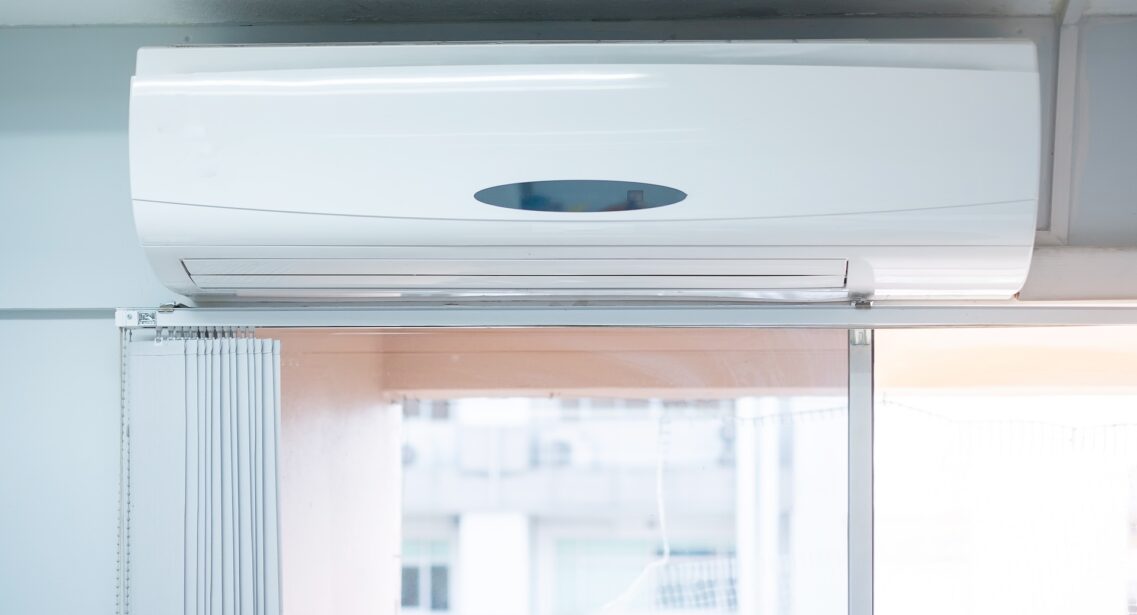
Split systems are the most common choice for individual rooms or open-plan areas. They consist of an indoor unit and an outdoor condenser connected by refrigerant lines.
Multi-split systems connect multiple indoor units to a single outdoor unit and are more complex.
Ducted systems provide whole-home or whole-office cooling and heating through ceiling ducts. These systems require more planning and installation work.
Each system type involves a different level of labour, access requirements, and testing.
Typical installation timeframes
For a standard split system, aircon installation usually takes between three and five hours. This includes mounting the indoor unit, installing the outdoor unit, running pipework, making electrical connections, and testing the system.
Multi-split systems may take a full day, depending on the number of indoor units and complexity of pipe routing.
Ducted air conditioning installations typically take one to three days. The process includes installing ductwork, vents, the indoor unit, and the outdoor condenser, as well as configuring zones and controls.
These timeframes can vary based on property access, roof space, and any required electrical upgrades.
Step-by-step installation process
While each job is unique, the installation process generally follows a clear sequence.
First, the installer prepares the site by protecting floors and furniture. The indoor unit mounting bracket is installed, ensuring it is level and securely fixed.
Next, the outdoor unit is positioned on a stable base with adequate ventilation. Refrigerant pipes, drainage lines, and electrical cables are run between the indoor and outdoor units. These connections are sealed and insulated to prevent leaks and energy loss.
Once the physical installation is complete, the system is evacuated to remove air and moisture from the refrigerant lines. The installer then releases refrigerant, powers up the system, and performs operational tests.
Finally, the system is commissioned, and the installer explains how to use and maintain it.
Electrical considerations
Air conditioners require sufficient electrical capacity to operate safely. In some cases, especially with older homes, electrical upgrades may be needed before installation can proceed.
This could include installing a dedicated circuit or upgrading the switchboard. Electrical work can add time to the overall aircon installation process, but it is essential for safety and compliance.
A licensed installer will assess these requirements during the planning stage to avoid delays on installation day.
Factors that can affect installation time
Several factors can influence how long installation takes.
Limited access to wall cavities or roof spaces can slow progress. Complex pipe routing or long distances between indoor and outdoor units may also extend the timeframe.
Weather conditions can affect outdoor work, particularly for rooftop installations. Unexpected issues such as asbestos, structural limitations, or existing system removal can also add time.
Clear communication and thorough pre-installation planning help minimise these delays.
What to expect on installation day
On the day of installation, most of the work is handled by the installation team. Homeowners or business owners are typically only required to provide access and make decisions about final placement if needed.
There will be some noise from drilling and tools, but disruption is usually minimal for standard installations. Once the system is operational, the installer will demonstrate controls, explain settings, and answer any questions.
Post-installation checks and maintenance
After installation, it is important to schedule regular maintenance to keep the system running efficiently. Proper care helps protect the investment and ensures long-term performance.
The installer may also provide documentation, warranty information, and maintenance recommendations tailored to the system installed.
A smooth path to comfort
Understanding the timeline and steps involved in aircon installation helps reduce uncertainty and ensures a positive experience. While the exact duration depends on the system type and property conditions, most installations are completed efficiently when handled by experienced professionals.
With proper planning, clear communication, and professional installation, a new air conditioning system can be up and running quickly, delivering reliable comfort and energy efficiency for years to come.