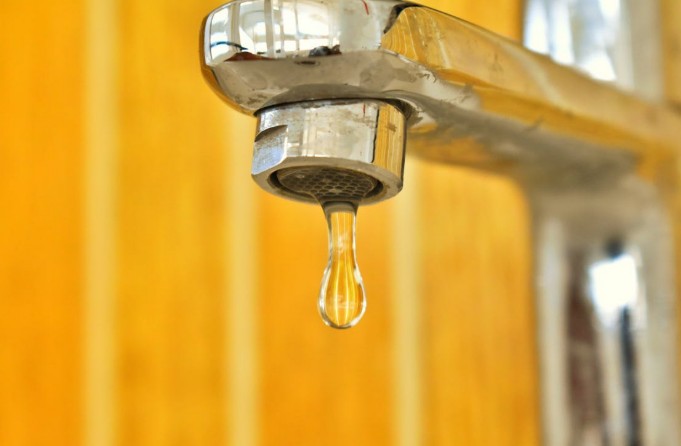
As plumbers, we see firsthand how easily water usage can creep up without homeowners even realising. A few small leaks, an ageing tap, or an inefficient appliance can quickly send your water bill soaring, especially during the hotter months when households naturally use more water.
Fortunately, reducing your water bill doesn’t have to involve major renovations or expensive upgrades. With a few practical habits and some strategic improvements, you can significantly cut down on your water usage while keeping your home running efficiently. Here are seven Sunshine Coast plumber-approved tips to help you save money and use water more wisely.
A dripping tap might not seem urgent, but even a slow leak can waste thousands of litres a year. In many cases, homeowners ignore minor leaks because the water loss seems insignificant, but leaks are one of the biggest contributors to rising water bills. Common leak sources include:
If you notice any signs of moisture where it shouldn’t be, it’s vital to get it checked promptly. This includes signs like water pooling at the base of a toilet, damp cabinetry under a sink, or unexplained wet patches in your yard. Leaks rarely stay small, and repairing them early can save you hundreds in water costs and potential plumbing repairs down the track.
Older fixtures often use significantly more water than modern water-saving alternatives. Upgrading to water-efficient fixtures is one of the simplest ways to reduce your daily water usage without changing your habits. Here’s how much difference efficient fixtures can make:
Look for the WELS (water efficiency labelling and standards) rating when choosing fixtures. The higher the star rating, the more water-efficient the product is.
Showers are one of the biggest sources of water consumption in a household. Reducing shower time by even a few minutes can significantly lower your water bill. If you want a practical benchmark, a 10-minute shower with an older showerhead could use 100 litres of water. Swap that for a four to five minute shower and a water-saving showerhead, and you’ll reduce that number dramatically. Some simple ways to shorten shower times include:
Dishwashers and washing machines are some of the most water-intensive appliances in the home. Running half-full loads wastes both water and electricity. Instead, wait until the machine is full before starting a cycle. A few tips to maximize efficiency include:
Modern dishwashers, in particular, use far less water than washing dishes by hand, provided you only run them when full.
Small outdoor changes can have a big impact, especially if you have a large yard or maintain gardens regularly. Outdoor water usage adds up quickly, especially during summer. Whether you’re watering plants, topping up the pool, or hosing down the driveway, outdoor habits can easily inflate your water bill. Here’s how to reduce consumption outside:
Not all leaks are visible. Some happen underground or within walls and can go unnoticed until you receive a shockingly high water bill. That’s why every homeowner should know how to check their water meter for signs of a hidden leak. Here’s a simple way to test:
If the numbers change, water is flowing through the system somewhere, most likely due to a hidden leak. Underground pipe leaks can be especially costly because they waste water continuously. If your meter test indicates a problem, it’s worth calling a professional to inspect your plumbing system thoroughly.
Hot water systems account for a large percentage of your total household water usage. Older units not only use more energy, but they also tend to deliver inconsistent water pressure and heat, leading to longer warm-up times.
Modern systems are designed to reduce waste, heat water efficiently, and maintain consistent temperature, especially heat-pump and instantaneous hot water systems. Replacing an old, inefficient system may feel like a major investment, but the long-term savings can be significant. If your system is more than 10 years old, makes strange noises, or struggles to keep up with demand, it may be time to upgrade.
Saving on your water bill doesn’t require drastic changes; most improvements come from simple adjustments and regular maintenance. By keeping your plumbing system in good condition, upgrading fixtures when needed, and being mindful of daily habits, you can dramatically cut your water usage and protect your home from costly plumbing issues.
If you ever need help identifying leaks, improving water efficiency, or upgrading your fixtures, speaking with a professional Sunshine Coast Plumber like Celsius Plumbing can make all the difference. With the right advice and plumbing maintenance, you can enjoy a more efficient home and lower water bills year-round.


