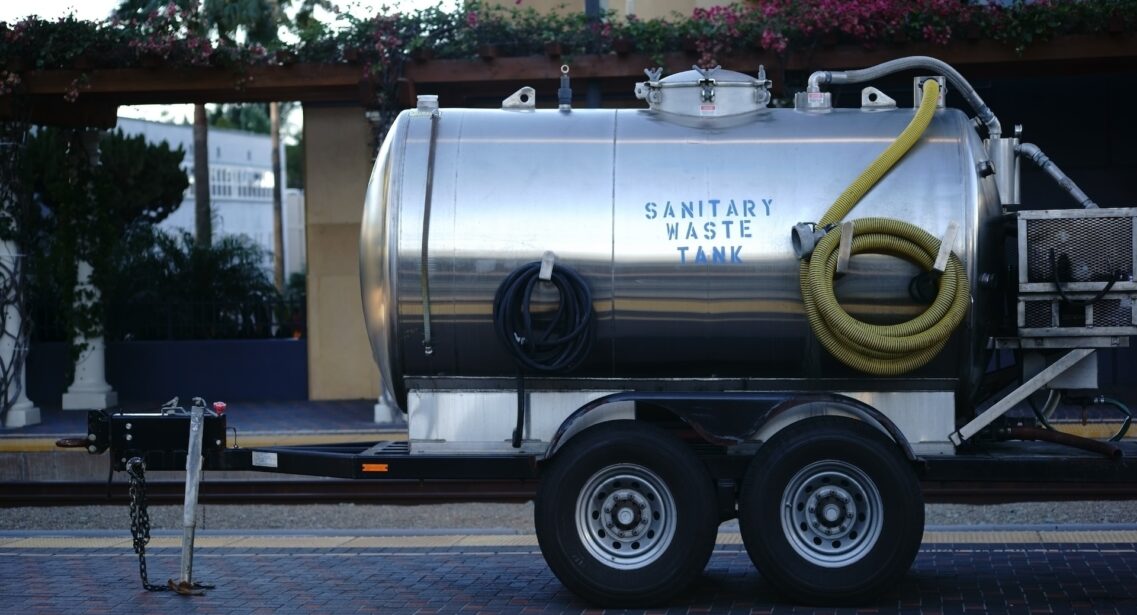
Choosing the right water cart size is critical for efficiency, cost control, and getting the job done without constant refilling. Whether you’re working on construction sites, dust suppression, landscaping, or agricultural tasks, selecting the correct capacity can make a big difference.
Here’s a practical guide to help you choose the right size for your needs.
What Is a Water Cart?
A water cart (or water tank trailer) is used to transport and distribute water for various applications.
Common Uses:
- Dust suppression on construction sites
- Roadwork and civil projects
- Landscaping and turf watering
- Agricultural use
They come in a range of sizes to suit different workloads.
Common Water Cart Sizes
Water carts are typically measured in litres.
Standard Capacities:
- 1,000–2,000 litres – Small jobs and light use
- 2,000–5,000 litres – Medium-scale work
- 5,000–10,000+ litres – Large projects and commercial use
Choosing the right size depends on how much water you need and how often you want to refill.
Factors to Consider When Choosing a Size
1. Type of Work
Different tasks require different water volumes.
- Light landscaping: smaller carts are sufficient
- Dust suppression: larger capacity needed
- Large-scale construction: high-capacity carts are essential
Match the size to the job.
2. Frequency of Refilling
Smaller carts require more frequent refills.
Consider:
- Availability of water sources
- Time lost during refilling
- Distance to refill points
A larger water cart reduces downtime but may cost more upfront.
3. Tow Vehicle Capacity
Your vehicle must be able to safely tow the cart when full.
Check:
- Towing capacity
- Load limits
- Braking requirements
Water is heavy (1 litre = 1kg), so weight adds up quickly.
4. Site Conditions
The terrain and access can influence your choice.
- Tight spaces may require smaller carts
- Rough terrain may limit large trailers
- Access points for refilling and movement
A smaller, more manoeuvrable cart may be better in restricted areas.
5. Budget and Operating Costs
Larger carts generally cost more.
Consider:
- Initial purchase or hire cost
- Fuel consumption when towing
- Maintenance
Balancing size and cost is important for efficiency.
Small vs Large Water Carts
Small Water Carts:
- Easier to tow and manoeuvre
- Lower cost
- More frequent refilling
Large Water Carts:
- Fewer refills
- Better for continuous work
- Higher cost and heavier load
The right choice depends on your workflow.
When to Choose a Larger Capacity
A larger water cart is ideal if:
- You’re working on large sites
- Water access is limited
- Continuous operation is required
- You want to reduce downtime
It improves efficiency in high-demand situations.
When a Smaller Cart Is Enough
A smaller cart may be better if:
- You’re doing short or light tasks
- Space is limited
- You need easy transport and storage
- Budget is a concern
For many smaller jobs, a compact option is more practical.
Additional Features to Consider
Capacity isn’t the only factor.
Useful Features:
- Spray systems for dust control
- Pumps and hoses
- Baffles for stability
- Durable tank materials
These features can improve usability and performance.
Final Thoughts
Choosing the right water cart capacity comes down to balancing your workload, site conditions, and budget. While larger carts reduce downtime, smaller ones offer flexibility and ease of use.