In residential buildings, energy efficiency means more than saving money. It affects how comfortable your home feels and how much energy it uses over time. Using less energy lowers running costs and reduces environmental impact across the life of the property.
Homeowners and builders often focus on appliances and heating systems, but the materials chosen at the outset are just as important. These early decisions influence how heat moves in and out of a home every day. After construction is complete, changing core materials is usually costly and disruptive.
The building envelope forms the barrier between indoors and outdoors. Walls, roofs, windows, and doors work together to control heat, air, and moisture. If one part performs poorly, it can affect the entire home.
Window performance often determines how much heat is lost in winter and gained in summer. Double or triple glazing with effective seals reduces draughts and improves temperature control. Frame material also matters, since poorly insulated frames can allow heat transfer even when the glazing itself performs well.
Blinds and Shutters, a window furnishing provider, notes that well-fitted internal window coverings can help control indoor temperatures. When selected to suit the window size, orientation, and glazing type, internal coverings can support the overall thermal performance of the window rather than simply serving as decoration. If considered during the planning stage, they can reduce heat gain in summer and limit heat loss in winter. Considering suppliers and specifications early helps ensure that windows and fittings contribute to long-term energy performance, not only short-term cooling needs.
Attention to junctions is just as important as selecting the right products. Gaps where walls meet roofs, or around doors and windows, can become hidden sources of heat loss. Careful detailing during design and construction reduces these weak points and improves overall efficiency.
Heat naturally moves from warmer areas to cooler ones. In winter, warmth escapes through roofs, walls, floors, and small gaps. In summer, outdoor heat enters through these same areas.
Insulation slows this heat transfer. Quality insulation in roof spaces, walls, and under floors helps maintain more consistent indoor temperatures. If the correct type and thickness are specified from the start, heating and cooling systems do not need to work as hard, which reduces energy consumption over time.
Air leakage is another major factor in energy loss. Small cracks around windows, service penetrations, and junctions allow conditioned air to escape. Sealing these areas properly during construction improves comfort and limits unnecessary energy use.
Moisture control is equally important. Wet insulation loses effectiveness, and trapped moisture can damage surrounding materials. Choosing appropriate vapour control layers and breathable membranes helps keep insulation dry and performing as intended for years.
Building materials are exposed to rain, wind, sunlight, and temperature changes. As they age, joints and surfaces can deteriorate, reducing energy performance.
If roof coverings crack or shift, water can enter the structure. This moisture may damage insulation and reduce its effectiveness. Durable roofing materials and properly installed underlays protect internal layers and preserve thermal performance.
Cladding and external finishes also play a role. Warped boards or poorly sealed panels can create gaps that allow air movement. Selecting stable, weather-resistant materials supports long-term airtightness.
Maintenance requirements should be considered early. Materials that require frequent upkeep can deteriorate if maintenance is delayed or overlooked. Choosing robust, low-maintenance options helps maintain steady energy performance and reduces long-term repair costs.
Some materials like concrete, brick and stone can store and release heat, which can moderate indoor temperature swings.
Homes with sufficient thermal mass often maintain more consistent internal temperatures. Instead of overheating quickly in the afternoon, heavier materials slow temperature changes. As a result, heating and cooling systems cycle less often.
Placement is critical. Thermal mass performs best when exposed to indoor air and sunlight rather than concealed behind insulation. To function effectively in Australian conditions, designers must consider orientation, glazing placement, and shading so that thermal mass absorbs winter sun while avoiding excessive summer heat. These decisions need to be made early in the design process.
Lightweight construction has advantages such as faster build times and lower upfront costs, but it responds quickly to external temperature changes. Without thoughtful design, indoor spaces may overheat or cool rapidly. Early structural choices therefore influence comfort patterns for decades.
Decisions made during design affect what can realistically be upgraded later. Wall thickness, roof structure, and floor systems all influence future improvement options. Once construction is complete, altering these elements is expensive and often impractical.
Planning for higher insulation levels from the outset provides flexibility. If wall cavities are too narrow, adding insulation later can be difficult. Allowing sufficient space for upgrades makes future improvements simpler and more cost effective.
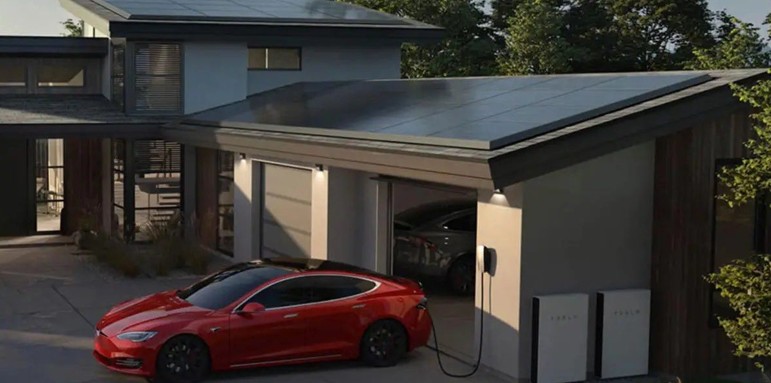
Roof design and orientation are also important. A roof that cannot support solar panels or faces an unsuitable direction may restrict renewable energy opportunities. Considering these factors early supports long-term sustainability goals.
Mechanical systems depend on the building’s structural and thermal performance. Even the most efficient heating system cannot compensate for inadequate insulation or significant air leakage. Strong material choices at the beginning enhance the effectiveness of any future upgrades.
Careful early decisions shape how a home performs year after year. Materials influence heat flow, durability, comfort, and upgrade potential in ways that are not always obvious at first. Taking time to select appropriate materials during design and construction can lead to lower energy bills, improved comfort, and fewer costly changes later. When planning is thorough from the start, the benefits continue long after the build is complete.


